
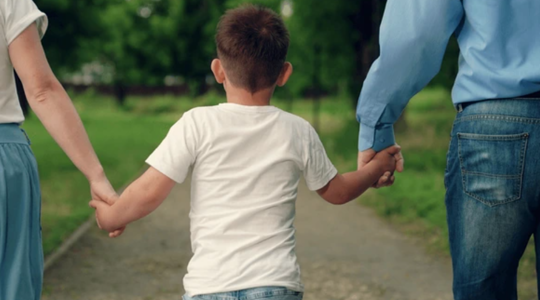
Opening your home to a child through foster care adoption in Hawaii is a profound journey filled with hope and purpose. For families in Oahu and across the Islands, the process brings unique legal steps, cultural considerations, and practical challenges. Knowing exactly what to expect empowers prospective adoptive parents with clarity and confidence as they move toward building a new family connection. Below, we answer real questions about the foster care adoption process in Hawaii, with insights tailored for our local community.
What Are the Main Steps to Adopting from Foster Care in Hawaii?
Understanding each phase of foster care adoption in Hawaii can help families feel more prepared. The process starts with an initial orientation conducted by the Department of Human Services (DHS) or a licensed child-placing agency. Attending orientation provides you with detailed information about the children in foster care, the adoption process, and key expectations. You can ask questions and hear perspectives from those who understand the realities of adoption in Hawaii.
Once you decide to proceed, you’ll submit a formal application and begin training requirements. Hawaii mandates pre-service training, usually including courses in trauma-informed parenting and the special considerations of transracial and transcultural families. Completing this training ensures you are ready for the responsibilities ahead and familiar with the circumstances many foster children have experienced.
Next, a social worker conducts a comprehensive home study, evaluating your home environment and readiness to parent. Upon approval, you’ll enter the matching phase, where agencies help pair you with a child whose needs align with your family. After a successful match, the child moves into your home, and a supervised placement period begins. Hawaii law requires a social worker to make regular visits to support both child and family. The process concludes with a court hearing to finalize the adoption, at which point your family’s legal status is established and your child receives a new birth certificate.
Who Is Eligible to Adopt a Child from Foster Care in Hawaii?
Hawaii's foster care adoption eligibility standards balance inclusivity with a strong focus on child safety and well-being. Applicants must be at least 18 years old and able to provide a stable family environment. Both individuals and couples—regardless of marital status, gender, or sexual orientation—are welcome to apply. Adoptive parents need not own their home; both homeowners and renters are eligible. What matters most is a secure and nurturing environment for the child.
All adult members of the household must undergo criminal background checks and child abuse registry searches. While certain criminal convictions will disqualify applicants, some past infractions may be reviewed in context. Agencies also examine each household member’s health, financial stability, and emotional preparedness. References, proof of income, and sometimes medical records form part of this vetting process.
Hawaii’s adoption system is deeply rooted in the value of ‘ohana, prioritizing family and cultural continuity when placing Native Hawaiian or Pacific Islander children. This means agencies may consider your ability to support a child’s cultural heritage as part of the matching process. Working with a legal team familiar with local requirements and customs can offer invaluable guidance as you navigate these eligibility standards.
What Is Involved in the Home Study Process for Prospective Adoptive Parents in Hawaii?
The home study forms the foundation of eligibility for foster care adoption in Hawaii. This process goes beyond home inspection—it offers a deep look at your family’s lifestyle, capacity to parent, and strengths you bring to the table. Social workers typically schedule several interviews with applicants and all household members, aiming to learn about your parenting style, motivations for adopting, and how you handle life’s challenges.
Comprehensive documentation is required throughout the home study. You’ll need to provide a floor plan, proof of income, health clearances, and personal references. Social workers also look carefully at your household setup to confirm safety and comfort for a child. They may ask how you plan to integrate a child into family routines, how you’ll handle discipline, and your approach to difficult subjects such as previous trauma or family transitions.
Hawaii’s approach emphasizes cultural sensitivity. For families who may adopt children of Native Hawaiian or Pacific Islander heritage, social workers discuss ways to honor cultural identity, maintain family traditions, and support your child’s ongoing connections with their roots. This focus is a meaningful part of the process and helps create long-term stability and a sense of belonging for adopted children. Open conversation with your social worker helps clarify expectations and shows your commitment to this lifelong journey.
How Long Does It Take to Complete Foster Care Adoption in Hawaii?
The timeline for foster care adoption in Hawaii varies based on family circumstances, the needs of available children, and other important factors. Generally, the process—including orientation, home study, training, matching, placement, and finalization—can take anywhere from nine to eighteen months. Some families move through the steps more quickly, while others face delays due to scheduling, documentation, or finding the right match.
The home study phase may take two to six months. Timely completion relies on how quickly you provide required documentation and schedule interviews. Matching with a child can be relatively swift if your family’s profile aligns with waiting children, or may extend for those with specific preferences or for children with special needs. After placement, the supervised period is a minimum of six months before the court will consider finalization of the adoption.
Proactive steps can speed the process. Responding promptly to requests, keeping communication lines open, and preparing thoroughly for each step reduce common hurdles. Engaging a family law team familiar with local requirements adds an additional layer of efficiency, addressing problems before they escalate and providing clarity about timelines along the way.
What Legal Steps Are Required to Finalize a Foster Care Adoption in Hawaii?
Finalizing a foster care adoption in Hawaii involves several structured legal steps. The process starts with the filing of a Petition for Adoption in Family Court, accompanied by the approved home study, evidence of parental rights termination, and supporting paperwork prepared by both the adoption agency and your legal representative. This petition forms the legal foundation for the final hearing.
The court holds a hearing to review the adoption petition. You, your child, the social worker, and occasionally a Guardian ad Litem attend. The judge reviews all background checks, documentation, and hears brief statements about the suitability and stability of the adoption placement. The goal is to confirm that the placement serves the child’s best interest and complies with all state requirements.
Once the court is satisfied, an adoption decree is issued and your child receives a new birth certificate. This decree secures the child’s new legal status and creates finality for your family. Planning ahead and having all documentation in order streamlines the process, so work closely with legal counsel who can guide you through court procedures in Oahu and elsewhere in Hawaii.
What Challenges & Risks Should Families Know About Foster Care Adoption in Hawaii?
Foster care adoption can present challenges, particularly concerning biological family rights, emotional adjustment, and placement stability. One key issue in Hawaii is the legal requirement to terminate parental rights of biological parents before adoption. Sometimes, contested cases or appeals by birth relatives can create stress or unexpected delays. Staying informed and communicating regularly with your social worker helps manage surprises during the process.
Placement disruptions occasionally occur if the child or the adoptive family experiences difficulty adjusting. Many children in foster care have endured trauma or instability, so behavioral issues or trust barriers can surface. Building a strong support network, seeking trauma-informed training, and connecting with community resources make a difference in fostering successful placements and coping with challenges as they arise.
Navigating ongoing relationships with a child’s birth relatives, managing sibling bonds, or addressing cultural ties are also common challenges in Hawaii. The ‘ohana tradition and state preference for family connections may result in continued contact with extended families, which requires flexibility and open communication. Legal and community support can help your family prepare for these dynamics and address any concerns constructively.
What Support & Financial Assistance Is Available for Foster Care Adoptive Families in Hawaii?
Hawaii offers a range of support and financial benefits to foster care adoptive families. The Department of Human Services provides monthly adoption assistance payments to help with living expenses and the additional care many children may need. Medicaid or Med-QUEST health coverage remains available for most adopted children, ensuring access to medical services throughout childhood and often through age 21 for those with certain health needs.
Adoptive families can benefit from the federal adoption tax credit, helping offset expenses incurred during adoption. Post-adoption services in Hawaii include counseling, support groups, parenting workshops, and crisis assistance. Local non-profits like the Partners in Development Foundation and Family Programs Hawaii add value with culturally based classes, respite care, and practical navigation support.
Connecting with the broader adoption community—through workshops, online or in-person groups, or school resources—offers peer guidance and reduces the sense of isolation many new adoptive parents mention. Our legal team ensures you have reliable referrals for these services so your support network is strong from the start.
How Does Hawaiian Culture Influence the Foster Care Adoption Process?
Hawaiian culture weaves family, heritage, and respect for tradition deeply into all aspects of foster care adoption. The idea of ‘ohana guides child placements, encouraging agencies to prioritize placements within extended family or the child’s own cultural community when possible. Maintaining connections to tradition, language, and ancestry supports a child’s sense of belonging and personal identity.
Prospective adoptive parents—especially those who are not Native Hawaiian or Pacific Islander—may be asked how they plan to incorporate cultural practices and keep their child rooted in their heritage. Attending community events, participating in cultural education, and engaging extended family are valued approaches. This focus is vital to avoid cultural disconnects that can affect a child's adjustment or well-being.
We have seen strong family outcomes when parents actively learn about and respect a child’s background. Embracing Hawaiian values and customs strengthens relationships, improves transitions, and models for children that their past is an important part of their future. Our team brings cultural understanding to every aspect of adoption planning and encourages families to view these principles as part of the child’s long-term success.
What Do Experienced Foster Care Adoptive Parents in Hawaii Recommend for New Families?
Families who have completed foster care adoption in Hawaii frequently share practical advice for newcomers. They recommend learning about the process thoroughly and setting realistic expectations regarding the timeline. Staying organized and flexible reduces frustration as you work through home studies, training, and placement matching. Being honest with social workers about your family’s strengths and concerns results in more suitable matches and better outcomes for everyone involved.
Building a support system before and after adoption is another top suggestion. This network might include relatives, local parenting groups, or fellow adoptive parents who have walked a similar path. Many families find that consistent education—especially related to trauma recovery, cultural identity, and behavioral health—empowers them to meet children’s needs as they arise and provides reassurance on tough days.
Connecting early with available post-adoption resources often proves invaluable for families in Hawaii. School support, therapy options, and crisis services help ensure children and parents thrive together long after legal proceedings end. Collaborating with a legal team experienced in Hawaii’s foster care adoption system also helps families anticipate complications and navigate the unique aspects of local family courts with less uncertainty.
How Can Our Honolulu Family Law Team Assist with Your Foster Care Adoption Journey?
Having seasoned legal guidance throughout the foster care adoption process in Hawaii makes a substantial difference, especially when navigating home studies, filing court documents, and attending adoption hearings. Our team has years of experience guiding local families through the intricate steps involved, advocating for their best interests and guardrails at every turn.
We do more than manage paperwork. We carefully explain every requirement, help prepare families for interviews and supervisory visits, and clarify what each decision means for your family’s future. Our deep knowledge of Oahu family courts and local adoption agencies provides up-to-date direction and helps ensure you meet all deadlines and requirements efficiently.
If you are considering foster care adoption or have questions about your eligibility, we encourage you to reach out for a confidential consultation. With culturally sensitive, family-focused service, Smith & Sturdivant, LLLC stands with you every step of the way. Connect with us at (808) 201-3898 to explore how we can help you build the family you envision, grounded in Hawaii’s values and legal traditions.